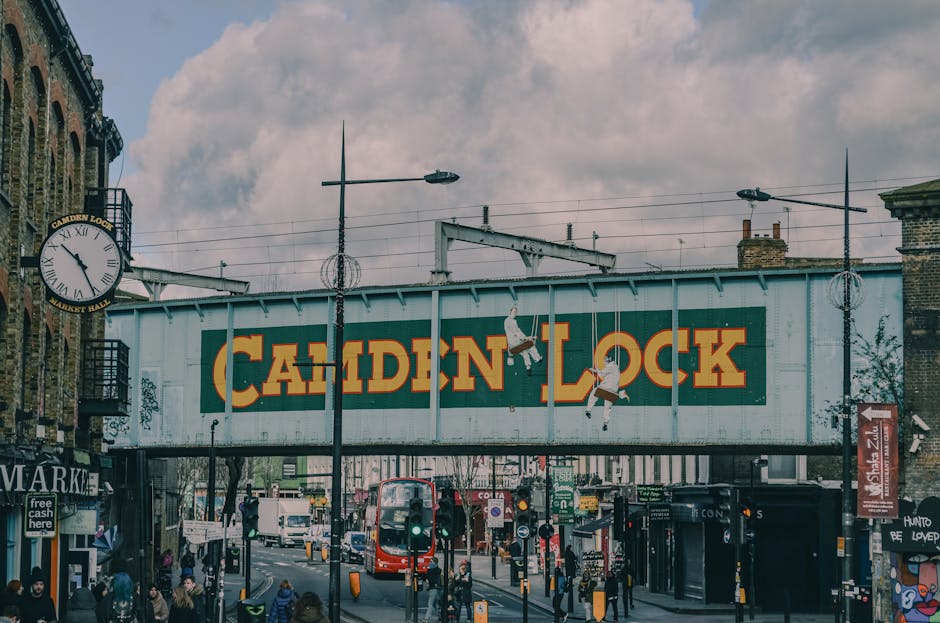
Moving from Primrose Hill with Camden removals: a practical guide for a smoother London move
Moving from Primrose Hill with Camden removals is rarely just a matter of putting boxes in a van and hoping for the best. Primrose Hill has its own rhythm: narrow residential streets, parking pressure, period flats, awkward staircases, and that very London mix of beauty and bustle. If you're leaving the area, you probably want the move to feel calm, efficient, and well handled, not like a last-minute scramble with tape, lampshades, and a kettle you can't find until Tuesday.
This guide breaks down how a Camden removals service can help, what to expect, where the usual problems appear, and how to make better choices before moving day. You'll find practical steps, a comparison table, a checklist, and a realistic example so you can plan with a bit more confidence. Honestly, that's half the battle.
- Why Moving from Primrose Hill with Camden removals Matters
- How Moving from Primrose Hill with Camden removals Works
- Key Benefits and Practical Advantages
- Who This Is For and When It Makes Sense
- Step-by-Step Guidance
- Expert Tips for Better Results
- Common Mistakes to Avoid
- Tools, Resources and Recommendations
- Law, Compliance, Standards, or Best Practice
- Options, Methods, or Comparison Table
- Case Study or Real-World Example
- Practical Checklist
- Conclusion
- Frequently Asked Questions
Why Moving from Primrose Hill with Camden removals Matters
Primrose Hill is one of those places where the move itself can be as important as the destination. The streets are attractive, yes, but they can also be tight, busy, and not always friendly to oversized vehicles. Add in basement flats, top-floor walk-ups, permit-sensitive parking, and neighbours who would rather not hear a sofa scraping down the hallway at 7 a.m., and the value of proper removals planning becomes obvious.
A local Camden removals approach matters because it is usually built around real conditions rather than theory. That means thinking through access, timing, loading space, and the difference between a straightforward house move and a more complicated flat move. A good plan reduces stress, but it also lowers the risk of broken items, missed time slots, and the classic moving-day panic when one key box has vanished into the system somewhere. Happens all the time, to be fair.
There is also a trust factor. When you are moving home, you want a team that understands how to protect furniture, manage awkward routes, and keep the whole process moving. If you're moving a family home, a rented flat, or just a few bulky items, a service such as house removals can be a sensible starting point for understanding what a full-service move may involve.
How Moving from Primrose Hill with Camden removals Works
The process usually starts with a survey or a detailed discussion about what you need to move. That might be virtual, by phone, or in person, depending on the size and complexity of the move. From there, the removals team can estimate vehicle size, labour needs, packing support, and whether storage should be built into the plan.
On move day, the team typically arrives with the right tools for dismantling, protecting, and loading your belongings. Good movers do not just carry boxes. They manage the flow of the job: delicate items first, heavier furniture next, then the last loose bits that always seem to multiply overnight. You know the ones.
For smaller moves, or when access is tight, a compact vehicle and a flexible crew can be more effective than a larger operation. In many London moves, especially around flats and upper floors, a man and van option can be a practical fit. For more standard home moves, a broader removals service may be more appropriate, especially if you need packing help, larger transport, or a full team.
A typical workflow looks like this:
- Assess the property, contents, access, and timing.
- Choose the right service level: full removals, smaller move support, or removals with storage.
- Pack and label items clearly, room by room if possible.
- Protect furniture, fragile items, and floors during loading.
- Transport and unload in the right order at the new property.
- Reassemble basic furniture and confirm that key items are in place.
If you are using extra support, packing services can save a huge amount of time and reduce the risk of breakage. That said, even the best packers still like a bit of order from the client side. Labelled boxes help. A lot.
Key Benefits and Practical Advantages
The main benefit of professional removals is simple: it turns a messy job into a managed one. But there are several more practical advantages worth calling out.
- Better handling of awkward access: Primrose Hill properties often involve stairs, shared entrances, and limited loading windows.
- Less damage risk: Experienced movers know how to wrap, lift, angle, and secure items properly.
- More predictable timing: A well-planned move is easier to schedule around building access, parking, and key handover times.
- Reduced physical strain: You avoid the obvious problem of carrying a wardrobe down three flights of stairs and regretting it halfway through.
- Built-in flexibility: Storage, dismantling, or smaller-item transport can be added if your plans change.
There is also a quieter benefit that people notice after the fact: less mental clutter. When the move is organised, your attention is free for the thousand other things that tend to pop up, like utility switching, final meter readings, or the fact that the spare keys are apparently in "a safe place".
For moves where you need temporary holding space, removals and storage can be a neat solution. It keeps the move from becoming all-or-nothing. If your completion date shifts, or the new place is not ready, that flexibility can be a relief.
Who This Is For and When It Makes Sense
This kind of move support suits a surprisingly wide group of people. Not every move needs a huge lorry and a full crew, but many London moves do need some form of structure.
You may benefit most if you are:
- leaving a flat in Primrose Hill with limited parking access
- moving from a maisonette, townhouse, or converted period property
- relocating a family home with furniture and fragile items
- moving from a rental property and working to a fixed handover time
- combining moving and storage because dates do not align neatly
- handling a smaller move and want something more efficient than a full-size removal setup
Students, young professionals, downsizers, growing families, and businesses all have different moving patterns, and that matters. A student leaving a compact flat before term ends does not need the same service as a family shifting a fully furnished home. Likewise, a business team moving stock or documents has very different priorities from someone moving a sofa, a bike, and three boxes of books.
In those more compact scenarios, small removals can be more efficient than a full-service move. And if the move is part of a longer transition, short-term storage can bridge the gap without forcing you to rush decisions.
Step-by-Step Guidance
If you want a smoother move, the trick is to make decisions early. Not every decision, not everything all at once. Just the important ones first.
1. Confirm what is actually moving
Walk through each room and make a simple list. Keep, donate, store, discard. It sounds obvious, but moving is the best time to discover how much space you have quietly surrendered to old cables and one-chair-fits-nobody furniture.
2. Check access at both properties
Note stair counts, lift access, narrow hallways, loading restrictions, and any parking challenges. In London, access can decide the whole job. A move that looks easy on paper can become awkward if the van cannot get close enough.
3. Choose the right service mix
If your move is straightforward, local support may be enough. If you need packing, a full team, or help with furniture removal, wider options may be better. For home moves with larger contents, flat removals can be especially useful when the property layout adds extra complexity.
4. Pack in stages, not in a panic
Start with off-season items, books, decor, and spare linens. Leave the daily essentials until last. Use sturdy boxes, not a random patchwork of supermarket cartons that collapse when you look at them funny.
5. Protect fragile and valuable items properly
Glass, artwork, mirrors, electronics, and lamps need extra care. Label them clearly. If there are items you would rather not put into the main van right away, secure storage can help you keep them safe while you settle the rest.
6. Keep an essentials box separate
This is the box you open first at the new place. Kettle, mugs, chargers, medication, toilet roll, a change of clothes, and basic tools. It sounds tiny, but it saves your first night. Every mover should have one, frankly.
7. Recheck the move the day before
Confirm times, address details, access instructions, and any special items. If anything has changed, say so early. A quick message is better than a surprise at 8 a.m. on moving day.
Expert Tips for Better Results
Over the years, one thing becomes clear: a good move usually looks boring from the outside. That is a compliment. The less dramatic the day feels, the more likely the planning was done properly.
- Use room-by-room labels: "Kitchen - pans" is better than "misc". Your future self will thank you.
- Photograph cable setups: It helps when putting back TVs, routers, and desks.
- Keep screws and fittings in sealed bags: Tape the bag to the matching furniture item.
- Measure awkward items: Sofas, wardrobes, and mattresses are the usual culprits.
- Tell the removals team about unusually heavy pieces: Pianos, safes, large mirrors, and solid wood furniture can require special handling.
- Book storage before you need it: Waiting until the day of the move can limit your options.
If you have bulky household pieces or a few items that will not fit comfortably in the new space, furniture storage can stop the move from becoming overcrowded. For bigger household transitions, household storage gives you a bit of breathing room while you decide what stays and what goes.
And here is a small but important one: be honest about how much you have. It is better to overestimate slightly than to leave everyone trying to improvise around a pile of boxes still sitting in the hall. That little delay can snowball fast.
Common Mistakes to Avoid
A lot of moving stress comes from a handful of repeat mistakes. The good news? Most are easy to avoid once you know what to look for.
- Underestimating access issues: A flat that seems "close enough" can still be awkward if parking is limited or stairs are tight.
- Leaving packing too late: Last-minute packing usually means poor labelling and forgotten items.
- Not separating essentials: This turns the first night into a scavenger hunt.
- Ignoring storage needs: If your dates do not line up, trying to force everything into one day can create unnecessary pressure.
- Choosing a service based only on price: The cheapest option is not always the best fit, especially if the job has awkward access or fragile items.
- Forgetting to check insurance and safety details: Peace of mind matters when you are handing over furniture and personal belongings.
One more thing people often miss: communication. If the front door code changes, the lift is out, or the selling chain shifts the completion time, say it straight away. Good movers can adjust. They just need the information in time to do it.
Tools, Resources and Recommendations
You do not need a mountain of equipment to move well. A few practical tools make a huge difference, though, and some services are simply worth considering if your situation is not straightforward.
- Quality boxes: Use consistent box sizes where possible so stacking is safer.
- Packing tape and labels: Strong tape and clear labels save time at both ends.
- Protective wrap: Useful for glass, shelves, electronics, and polished furniture.
- Furniture covers or blankets: Good for protecting larger items in transit.
- Basic toolkit: Screwdrivers, Allen keys, and a tape measure are the usual favourites.
If your move includes workspaces, files, or mixed home-office items, you may want to think in terms of office removals or even office storage if items need to be held safely between locations. For document-heavy moves, document storage keeps paperwork organised rather than buried in a random box labelled "papers" and left on a landing somewhere.
For those who want a lighter-touch move, local removals can be a useful fit when the destination is still nearby and you mainly need practical transport and careful handling rather than a large-scale operation. If you want more flexibility and less upfront lifting, mobile self storage is another option worth considering.
Law, Compliance, Standards, or Best Practice
For a home move, the biggest compliance points are usually practical rather than dramatic. You want a removals company to operate safely, respect your property, and handle goods carefully. It is sensible to ask about insurance cover, handling procedures, and the company's approach to safety before you book.
In the UK removals industry, good practice generally includes proper item handling, safe lifting, clear communication, and reasonable care around entrances, communal spaces, and vehicles. Where a building has rules on access or parking, those should be followed. If there is a managed block, concierge desk, or narrow shared stairwell, that matters. A lot.
When storage is part of the move, security becomes even more important. Ask about how goods are kept, who can access them, and how the company manages condition and accountability. A service such as secure storage is designed to reassure people who do not want valuables sitting around in an unprotected environment.
It is also sensible to understand payment terms, cancellation conditions, and any limits around what can be stored or transported. The clear version is better than the vague version. Always. For that reason, reading the provider's terms and conditions before booking is just plain sensible, not fussy.
Finally, if sustainability matters to you, look at how unwanted items are handled. Responsible reuse, recycling, and reduced waste are all part of better moving practice. For many households, that is not just a nice extra; it is part of doing the move properly. You can also explore the company's recycling and sustainability approach if you want to understand that side of the service.
Options, Methods, or Comparison Table
Not every move from Primrose Hill needs the same solution. Here is a simple comparison to help you choose the most sensible starting point.
| Option | Best for | Strengths | Watch-outs |
|---|---|---|---|
| Full removals | Households with multiple rooms or substantial furniture | Comprehensive support, efficient loading, better for larger jobs | May be more than you need for a very small move |
| Man and van | Smaller moves, flat contents, short-distance transport | Flexible, practical, often well suited to tight London access | Less suitable for bigger households or very large furniture volumes |
| Removals and storage | Moves with date gaps or limited space at the new property | Flexible, reduces pressure if dates change | Needs a little more planning upfront |
| Self storage | People who want to move items in stages | Control, flexibility, useful for decluttering or downsizing | Requires additional organising on your side |
If you are deciding between options, a good rule is to think about access, volume, timing, and how much help you want on the day. A move that feels simple in your head may need more support once you count the stairs, furniture, and timing constraints. That's the honest version.
For people who want a self-managed approach, self storage can offer a clean staging point. For people who want the move handled with less hands-on effort, house removals remains the most straightforward route.
Case Study or Real-World Example
Picture a typical Primrose Hill move: a one-bedroom flat on the second floor, no lift, limited parking outside, and a completion time that could shift by a couple of hours because, well, property chains do that. The customer has a sofa, bed, desk, kitchenware, books, a mirror, and several fragile items packed over the course of a long evening with strong tea and not enough box labels.
Rather than forcing everything into one rushed slot, the move is broken into stages. The customer uses packing help for fragile items, books a smaller removal vehicle because street access is tight, and places a few non-urgent items into short-term storage for a week until the new flat is ready.
The result is a move that feels manageable. Not perfect, not magical. Just manageable. The customer can get the essentials into the new place, avoid overcrowding the hallway, and unpack gradually. That slower pace often makes the transition feel far less chaotic. You can actually find the saucepans on day one. A minor miracle.
This is also where flexible services can help in a very ordinary, practical way. If the move includes bulky furniture that does not yet have a home, furniture storage gives you time to decide. If the move is just a few items and some boxes, small removals is often the neatest solution.
Practical Checklist
Use this checklist in the final week before your move. It is not fancy, but it works.
- Confirm the moving date and time.
- Check parking and access at both properties.
- Separate essentials, valuables, and important documents.
- Label every box with the room and a brief contents note.
- Protect mirrors, artwork, and electronics properly.
- Disassemble furniture that needs to fit through tight spaces.
- Set aside cleaning supplies for the old and new property.
- Arrange storage if your dates or space do not line up.
- Keep chargers, medication, and a kettle easy to reach.
- Share access details with your removals team in advance.
If your move includes school books, personal records, or business paperwork, do not bury them in general packing. Put them somewhere you can find them instantly. That little decision saves a lot of muttering later.
Get a free quote today and see how much you can save.
Conclusion
Moving from Primrose Hill with Camden removals does not have to feel overwhelming. With the right plan, the right level of help, and a realistic view of access, timing, and storage, the whole thing becomes far more manageable. In many cases, the difference between a stressful move and a calm one is not luck; it is preparation.
Whether you need full removals, a smaller van-and-man service, packing support, or temporary storage, the smartest move is the one that fits your property and your timeline. Take the job seriously, but not too seriously. A little order, a little patience, and the right support go a long way.
And when the last box is in, the kettle is on, and the door finally closes behind you, that quiet feeling of relief is worth quite a lot.
Frequently Asked Questions
What is the best removals option for moving from Primrose Hill?
The best option depends on the size of your move and the access at both properties. A full removals service suits larger households, while smaller moves may be better suited to man and van or small removals.
Do I need storage when moving from Primrose Hill?
Not always, but storage is useful if your move-out and move-in dates do not align, or if you need time to sort furniture, declutter, or hold items temporarily.
How far in advance should I book Camden removals?
It is sensible to book as early as you can, especially during busy periods. London moves can be date-sensitive, and early planning usually gives you more flexibility.
Is a man and van enough for a flat move?
Often yes, especially for smaller flats or lighter loads. If you have lots of furniture, awkward access, or fragile items, you may want something more comprehensive.
Can removals companies help with packing?
Yes, many do. Packing support can save time and reduce breakage, which is especially helpful if you are juggling work, family, or a tight completion schedule.
What should I do with furniture that will not fit in the new place?
Consider short-term or longer-term storage, depending on how soon you will need it. Furniture storage is useful when you want to keep items safe while you decide what to keep.
How can I make a Primrose Hill move less stressful?
Start early, label everything clearly, check access in advance, and keep essentials separate. It sounds basic, but those steps make a real difference on moving day.
What happens if my completion time changes on the day?
This is one reason flexible removals planning matters. Let your removals team know as soon as possible so they can adjust timing or storage arrangements where needed.
Are Camden removals suitable for business moves too?
Yes. If you are moving a small office, a home office, or documents and equipment, office removals and office storage can be part of the solution.
How do I know if I need removals and storage together?
If you cannot move everything directly into the new property, or if you want to spread the move over several days, combining removals and storage is usually the cleaner option.
What is the safest way to move fragile items?
Wrap them carefully, label the boxes clearly, and keep them separate from heavier items. If you are unsure, ask for packing support rather than risking damage.
Can I move a few items without booking a full removals service?
Yes. Small removals or a man and van service is often ideal for a few items, a studio flat, or a short local move.
What should I check before confirming a removals booking?
Check the service scope, timing, access assumptions, storage options if needed, and the terms and conditions. A little clarity now saves a lot of awkwardness later.
What if I need to store items for a long time after moving?
If your situation is more open-ended, long-term storage may be more appropriate than a short-term option. The right choice depends on how long you expect to keep items away from the new home.
If you are still weighing up the moving plan, it is worth taking a breath and mapping the job properly before you commit. A measured move is usually the easier one.